Case Studies
Real systems. Real constraints. Real outcomes.
At WebQuench, we don’t build demos or one-off automations. We design and stabilize systems that operate in real environments — with real users, real data, and real consequences when things break.
The case studies below highlight how we approach automation across different contexts: enterprise systems, regulated industries, and revenue-critical workflows.
Despite serving different industries, these systems share the same design principles:
This is how automation survives growth, turnover, and change.
These are the same principles used across every WebQuench service.
What These Projects Have in Common
Institution: BYU-Idaho
Automated System Testing for BYU-Idaho
Higher education
Reliability & Scale
BYU-Idaho’s internal class registration system required weeks of manual testing every semester. We designed a fully automated testing framework that simulated real-world registration scenarios, validated complex logic, and reduced testing time from weeks to minutes — without sacrificing accuracy.
Key Outcomes:
- Manual testing reduced from 3 weeks to ~20 minutes
- Over 100 hours of QA effort saved per update
- Faster release cycles with higher confidence
- A reusable framework maintained by the internal team

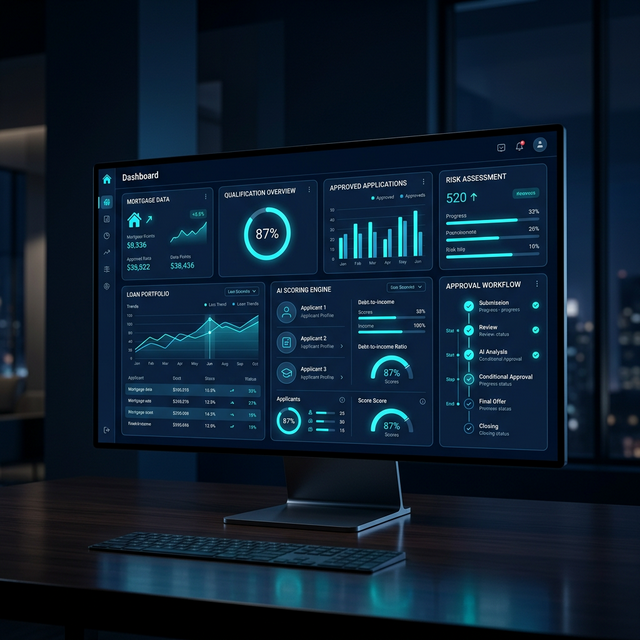
Finance: Edge Home Finance
AI-Assisted Mortgage Qualification System
Mortgage & Finance
CRM Integrity
Independent loan officers needed a low-friction way to help prospects understand mortgage or refinance eligibility while capturing clean, reusable data. We built an AI-assisted qualification system embedded across multiple websites, integrated directly with CRMs, and designed to support — not replace — human decision-making.
Key Outcomes (Early Signals):
- 34 qualified leads captured in one month without paid ads
- All lead data stored automatically in the CRM
- Structured qualification insights preserved for future follow-up
- Consistent deployment across multiple loan officers and agents
Guidance
How to Read These Case Studies
These projects reflect the same system design approach used across our core services.
Each case study focuses on:
- • the underlying system problem, not surface symptoms
- • the design decisions that mattered
- • how reliability, data integrity, and ownership were handled
- • outcomes that could be measured without exaggeration
If you’re looking for hacks or shortcuts, these won’t resonate.
If you’re responsible for systems that need to hold up over time, they will.
Architecture Integration
How This Connects to Our Services
These case studies reflect the same approach we use across our core functional pillars:

Sales Systems

Marketing Systems

Project Management Systems

Business Process & Ops
The goal is always the same: systems that support people and hold up in the real world.
Strategic Authority
Automation Insight Library
Patterns, failure modes, governance, and maintenance risks explained clearly. No tutorials. No hype.
Explore the Insight Library →Ready to systemize your growth?
When You’re Ready
If parts of these case studies feel familiar — messy handoffs, fragile workflows, or systems no one fully trusts — the next step is usually clarity, not more automation.