Sales Automation Systems (Built to Convert, Not Break)
Your sales team shouldn’t be losing revenue because leads fall through the cracks, follow-up is inconsistent, or your CRM can’t be trusted.
We design sales automation systems that fix lead leakage, clean up CRM chaos, and support consistent follow-up — without relying on manual heroics or fragile workflows.
This is for teams who already tried automating and know something still isn’t working.
Why Sales Automation Quietly Loses Revenue
Most sales automation fails for predictable reasons:
Leads are captured but not structured correctly
CRMs become dumping grounds instead of systems
Follow-ups fire, but no one owns outcomes
AI tools engage prospects without visibility or control
Sales reps don’t trust the data — so they ignore it
The result isn’t speed.
It’s revenue leakage disguised as activity.


How Our Sales Automation Systems Are Different
We don’t start by adding more automations.
We start by stabilizing what exists.
Our sales systems are designed to:
Capture leads cleanly and consistently
Route them intelligently based on rules, not guesswork
Trigger follow-up that supports humans instead of replacing them
Log every action inside your CRM for visibility and trust
This is how automation actually supports closing — not noise.
Lead Capture & Enrichment
Forms, chat, and inbound sources feed structured, usable data into your CRM — not half-filled records.
Intelligent Routing & Assignment
Leads are routed based on rules, availability, territory, or ownership — not first-come chaos.
Follow-Up Systems That Don’t Break
Automated follow-up supports reps with reminders, sequencing, and escalation — without spamming prospects.Dormant Lead & No-Show Recovery
Systems that re-engage stalled opportunities without manual chasing.
CRM Visibility & Accountability
Dashboards and logs that show what’s happening, what’s stuck, and what needs human attention.
What We Build (Sales Systems, Not Workflows)
Step 1 — Systems Diagnostic
We audit your current sales flow, CRM, and automations to identify where leads and revenue leak.
Step 2 — Stabilize and Fix
We clean up data, repair broken logic, and establish ownership before scaling.
Step 3 — Build What Converts
Only after reliability is established do we expand automation and AI-assisted workflows.
Many clients continue with ongoing system ownership retainers.
How Engagement Works
When sales automation is designed correctly, teams typically see:
Faster speed-to-lead without spam
Shorter sales cycles
Higher rep productivity
Improved lead-to-opportunity conversion
Increased trust in CRM data
Actual results depend on volume, process maturity, and follow-up discipline.
(No inflated promises.)
Results You Can Expect
Real-World Example: Sales Automation for Mortgage Lead Qualification
A loan officer representing Edge Home Finance deployed a sales automation system that qualified buyers, generated personalized affordability and refinance reports, and synced every interaction directly into their CRM.
Without paid advertising, the system captured 34 qualified leads in the first month, creating a repeatable intake flow now used by multiple real estate agents connected to the same infrastructure.


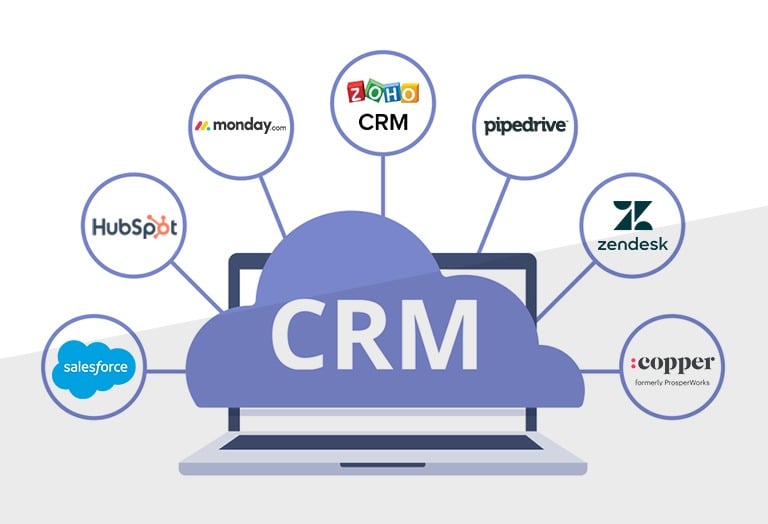
Tools We work with
Your sales system should work with the tools you already use.
We commonly integrate with major CRMs, communication platforms, scheduling tools, and automation engines.
Tools are selected after system design — not before.
Most sales automation doesn’t fail at speed — it fails at data integrity and ownership
Start With a Systems Diagnostic
If your sales automation depends on CRM data you don’t fully trust, the risk isn’t speed — it’s amplification.
Before adding more follow-up, routing, or AI, you need clarity on what’s already breaking.
We’ll show you:
Where CRM data integrity is breaking down
Which automations are corrupting or overwriting records
What to stabilize before scaling sales automation further
Systems That Commonly Break Together
Sales automation rarely fails in isolation. These systems are often connected.
Success through Online Strategies
© Copyright 2025, WebQuench