Marketing Automation Systems (Built for Progression, Not Noise)
If your marketing automation is generating activity but not pipeline, the problem isn’t effort — it’s system design.
We build marketing automation systems that support real progression, clean CRM data, and reliable handoffs to sales — without spammy sequences or fragile logic.
This is for teams who already tried marketing automation and know it’s not delivering what it promised.
Why Marketing Automation Quietly Breaks Trust


Marketing automation breaks in predictable ways:
Campaigns trigger, but intent isn’t real
Lead scoring inflates engagement instead of readiness
Attribution is unreliable or misleading
AI personalization erodes trust instead of building it
Sales doesn’t trust marketing data — so they ignore it
The result is busy dashboards and stagnant revenue.
How Our Marketing Automation Systems Are Different
We don’t automate activity.
We automate progression.
Our systems are designed to:
Respond to real behavior, not vanity metrics
Keep CRM data clean and usable
Align marketing signals with sales reality
Use AI carefully, with guardrails and review points
Marketing automation should make decisions clearer — not louder.
What We Build (Marketing Systems, Not Campaigns)
Behavior-Driven Nurture Systems
Automations that respond to actual intent, not generic timelines.
Segmentation & Scoring You Can Trust
Scoring systems designed to reflect readiness, not clicks.
Multi-Channel Coordination
Email, SMS, and outreach coordinated through one system — not siloed tools.
Attribution & Visibility
Clear insight into what’s working, what’s influencing pipeline, and what’s noise.
AI-Assisted Personalization (With Guardrails)
AI supports relevance without hallucination, overreach, or brand risk.
How Engagement Works
Step 1 — Systems Diagnostic
We audit your marketing workflows, CRM alignment, and automation logic.
Step 2 — Stabilize and Align
We fix scoring, segmentation, and data integrity before scaling.
Step 3 — Build What Supports Revenue
Only then do we expand automation and AI-assisted workflows.
When marketing automation is designed correctly, teams typically see:
Higher quality MQLs
Better sales trust in marketing data
Cleaner attribution
More consistent pipeline contribution
Less manual cleanup and rework
No inflated engagement promises.
Outcomes You Can Expect
Real-World Example: Trust-First Lead Nurture Without Ad Spend
Instead of running generic campaigns, this marketing automation system focused on trust-building and intent capture through interactive qualification flows.
Prospects received personalized reports based on their inputs, while clean CRM data enabled future retargeting and follow-up without inflating engagement metrics or damaging trust.


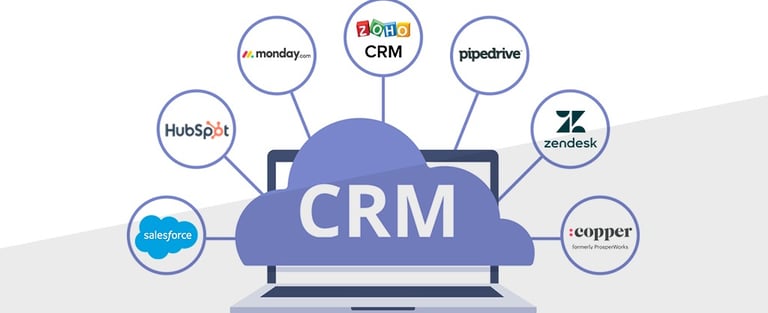
Tools We Integrate With
We integrate with common CRMs, marketing platforms, and automation tools.
Tools are selected after system design — not before.
Marketing automation doesn’t fail at scale — it fails when signals are treated as truth instead of hypotheses.
Start With a Systems Diagnostic
If your marketing automation feels busy but unreliable, the issue isn’t activity — it’s trust.
AI, personalization, and scoring only work when guardrails and review paths are clear.
We’ll show you:
Where AI or automation is operating without guardrails
Which signals inflate activity without reflecting real intent
What must be constrained before scaling campaigns further
Systems That Commonly Break Together
Marketing automation rarely fails in isolation:
Success through Online Strategies

© Copyright 2025, WebQuench